Skip to content
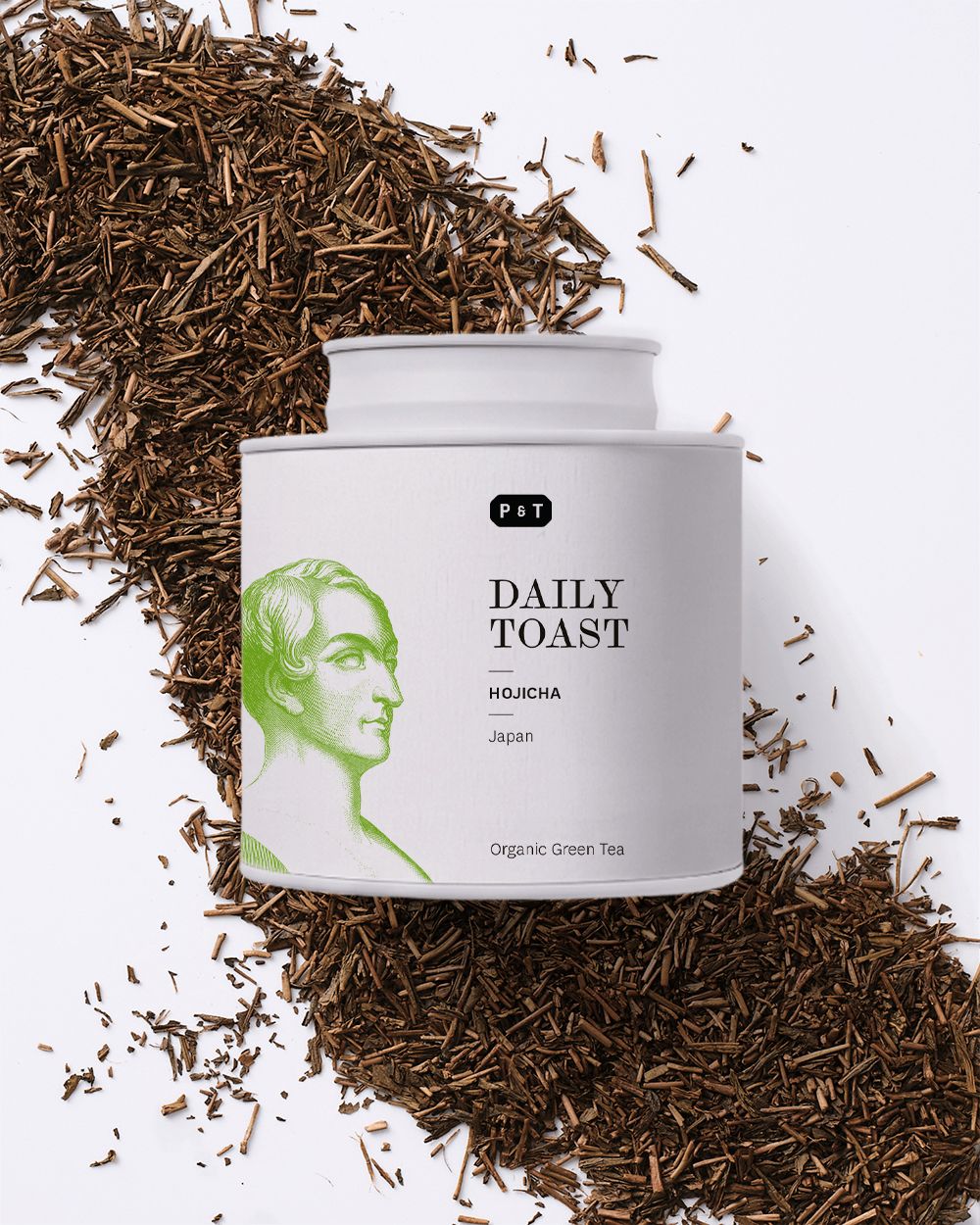
Zylindrische weiße Teedose mit grünem Profil, Aufschrift P&T Daily Toast Hojicha, umgeben von losen Teeblättern.

Successfully added!

Cart

Your cart is empty

Daily ToastHojicha Green Tea

  • Japanese organic green tea
  • Roasted Hojicha-specialty from Japan
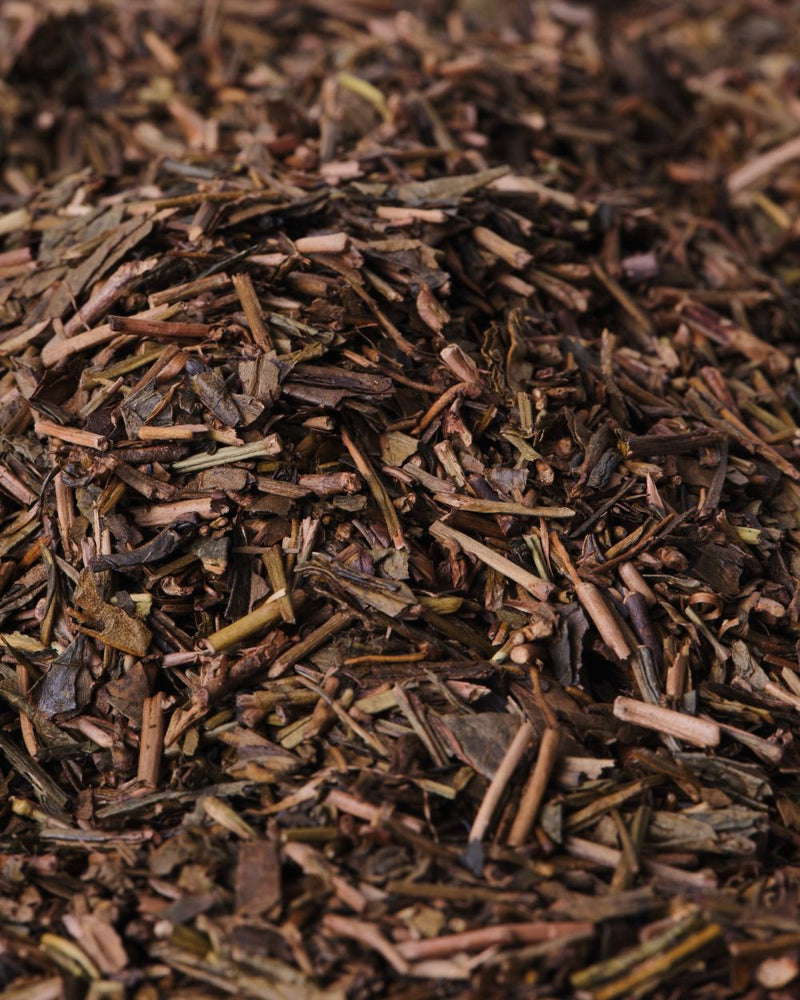
  • Exceptional tea made from stems & tea leaves
  • In a practical tea caddy or refill bag
€ 11,00
€ 27,50 / 100g incl. VAT, plus shipping

In stock, with you in 6 – 8 days

Uta

A very special tea with an extraordinary, very pleasant taste and aroma.

Ingredients
Organic green tea (roasted)
Japanese green tea* (roasted) (*certified organic)
Store in a cool and dry place.

Free shipping from €99

Shipped fast, with you in just a few days.

P&T Club perks

Join for free and get 10% off your first order.

Here for you

Questions about tea, brewing or your order? Our team is happy to help.

Returns within 14 days

Easily registered through our returns portal.

What you'll taste

Green Tea
Daily Toast

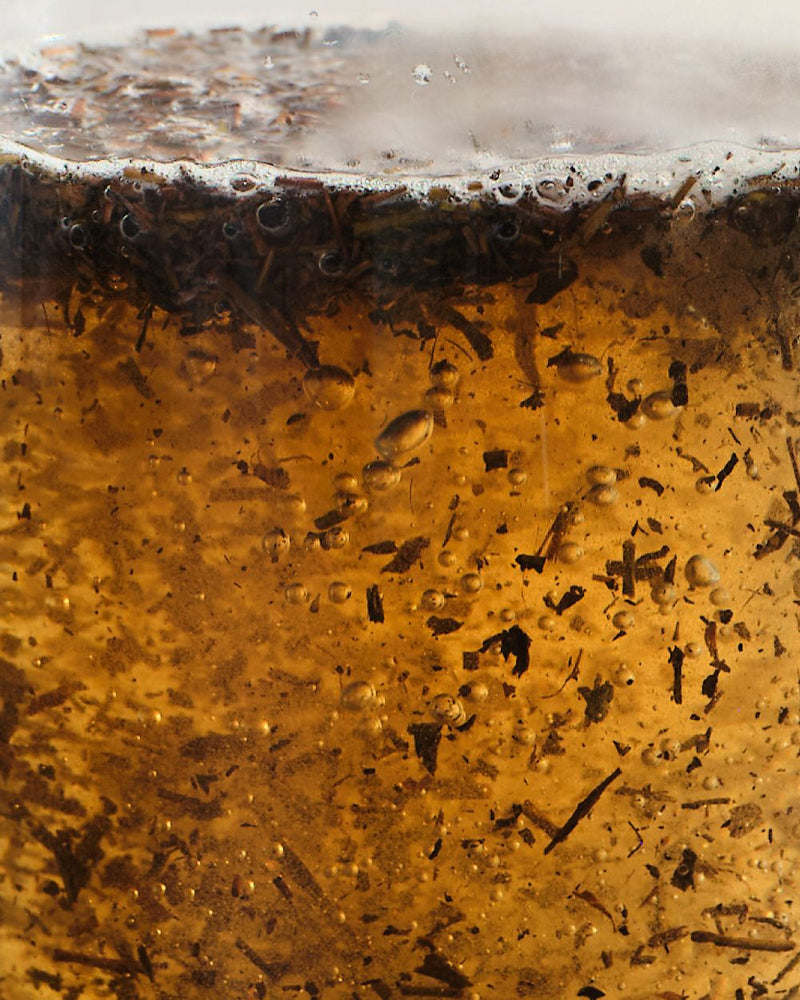
Our DAILY TOAST is a Japanese Hojicha, a green tea that undergoes a distinctive roasting process, giving it a pleasantly smoky-sweet aroma and a reddish-brown color. It’s a delightful variation from other green teas and perfect for any time of day.

Sweet
Roasty
Woody / Earthy

Get it just right

Zwei weiße Keramiktassen mit dunkelrotem Tee, auf einem Holztablett von einer Hand gehalten.
Get it just right
  1. Slow down, it's green tea

    Let the water cool slightly, never boiling – that's when the delicate aromas really come through. These leaves have more to give: you can brew them twice.

  2. Chill, it brews itself

    Steep the leaves in cold water for 1–5 hours in the fridge, strain – enjoy the same day.

  3. Brewed hot, served cold

    Steep a larger amount of green tea hot, but not boiling, as usual, then pour over ice.

How your tea is made

Hojicha is a roasted tea from Japan. Our DAILY TOAST is gently roasted in special machines to preserve its unique mild, nutty flavor. This roasting process, which is uncommon for Japanese green tea, happens after the leaves have been traditionally steamed.

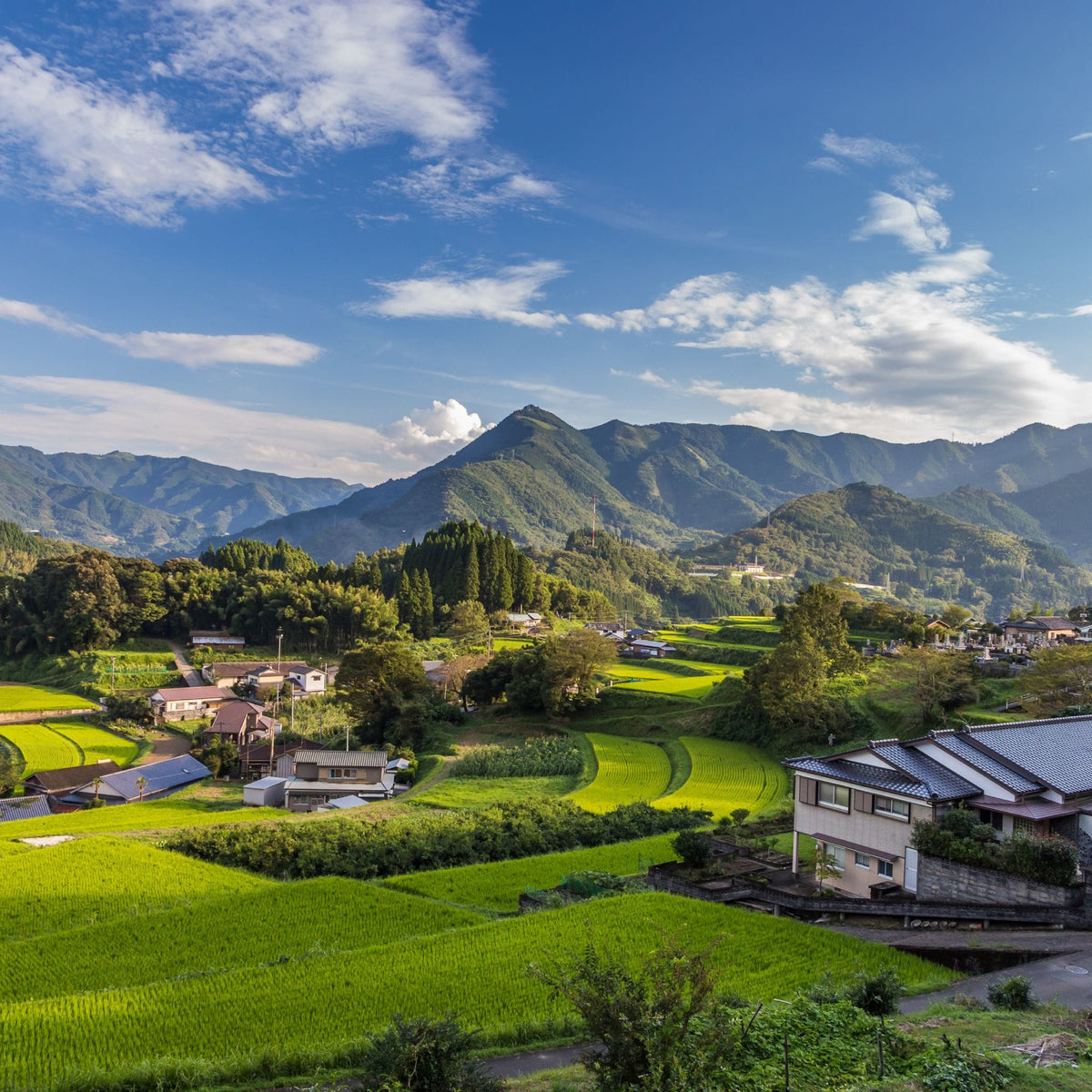
Grüne Reisterrassen mit traditionellen Häusern und Bergen unter blauem Himmel.
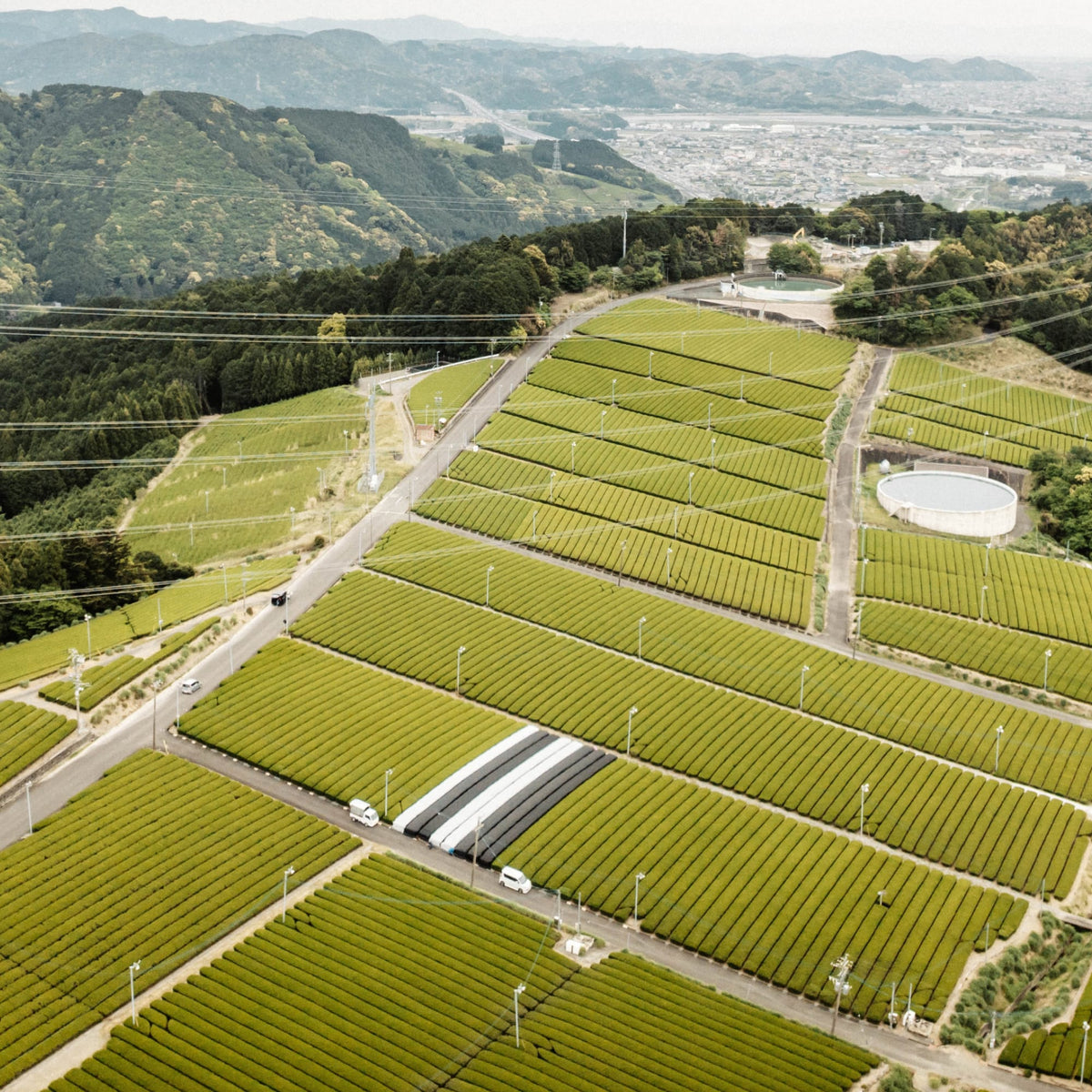
Teeplantage mit präzisen Reihen grüner Büsche, weißen Fahrzeugen und bewaldeten Hügeln im Hintergrund.
Origin map for Kyushu, Japan
KyushuJapan

Where your tea grows

The tea leaves for our DAILY TOAST grow on the Japanese island of Kyushu, renowned for its prestigious tea-growing regions. Kyushu's warm climate, mineral-rich volcanic soil, and rich agricultural heritage create the perfect environment for cultivating premium green teas.
Weißes Marmortablett mit Glasteekanne, drei Teedosen und grünen Teeblättern.
  • From the best
    tea regions

  • Whole tea leaves

  • Pure flavor

  • Responsible
    production

Our Origins Collection

Premium whole leaf and herbal teas

Our Origins bring the variety of our handcrafted premium whole-leaf teas and herbs. A flavorful journey through the world’s best tea-growing regions.

Tried & rated

Real voices from our community. Leave a review and earn club points.

FAQ about Daily Toast

What is Hojicha tea?
Hojicha is a Japanese green tea that undergoes an additional roasting step after the traditional steaming process. This roasting transforms both the colour and flavour of the tea: the leaves turn a reddish-brown and develop warm, nutty aromas. Unlike many other Japanese green teas, Hojicha is typically very mild with little bitterness.

What makes the Hojicha DAILY TOAST special?
DAILY TOAST is a roasted organic green tea from Japan made from a blend of tea leaves and stems. The gentle roasting process creates a distinctive flavour profile with notes reminiscent of toasted bread, roasted coffee beans and caramel. The result is a smooth and aromatic tea that works perfectly as an everyday companion.

What does Hojicha tea taste like?
Hojicha is known for its warm, roasted flavour profile. Typical characteristics include nutty, caramel-like and lightly malty notes with a gentle sweetness. Compared with many classic green teas, Hojicha is usually less grassy and noticeably milder.

Why is Hojicha roasted?
Roasting is the defining characteristic of Hojicha. After the tea leaves have been steamed in the traditional Japanese style, they are roasted at high temperatures. This process changes the tea’s flavour and produces the characteristic nutty and lightly caramelised notes.

Does Hojicha contain caffeine?
Yes, Hojicha contains caffeine because it is made from the tea plant, Camellia sinensis. However, due to the roasting process and the use of stems and mature leaves, it is often perceived as particularly mild. Many tea drinkers therefore choose Hojicha as a gentler alternative to more intense green teas.

Can you drink Hojicha in the evening?
Hojicha is known for its smooth and mellow character and is often enjoyed in Japan during the evening or after meals. Its soft flavour and low bitterness make it a comforting choice for relaxed tea moments.

How do you prepare Hojicha tea?
Hojicha can be brewed with hotter water than many other green teas. Use about 4 g of tea for 250 ml of water at around 90 °C and allow it to steep for approximately 2 minutes. This method helps bring out the tea’s warm roasted aromas.

Can Hojicha be infused more than once?
Yes, high-quality Hojicha can be infused multiple times. The first infusion is usually the most aromatic, while later infusions tend to reveal a softer and lighter flavour.

Where does the Hojicha DAILY TOAST come from?
The tea leaves used for DAILY TOAST come from the Japanese island of Kyushu, a well-known region for high-quality green tea. The area’s warm climate, mineral-rich soils and long tea-growing tradition create ideal conditions for producing Japanese tea.

What is the difference between Hojicha tea and Hojicha powder?
Hojicha tea consists of roasted tea leaves that are brewed in hot water like a traditional tea. Hojicha powder, on the other hand, is finely ground roasted green tea that dissolves directly in liquid. It is often used for drinks such as Hojicha lattes as well as in desserts or baking, while loose-leaf Hojicha is typically enjoyed as a classic tea infusion.