







do you favour?

Our Origins Collection
Premium whole leaf and herbal teas

From the best
tea regions

Whole tea leaves

Pure flavor

Responsible
production
Buying white tea: a delicate treat
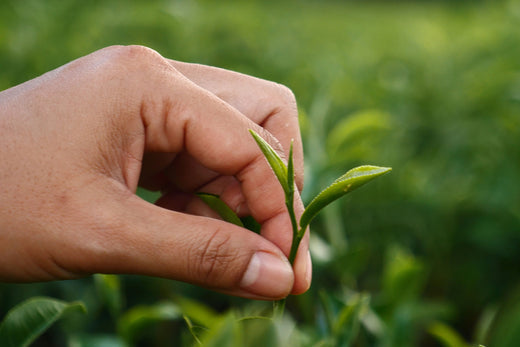
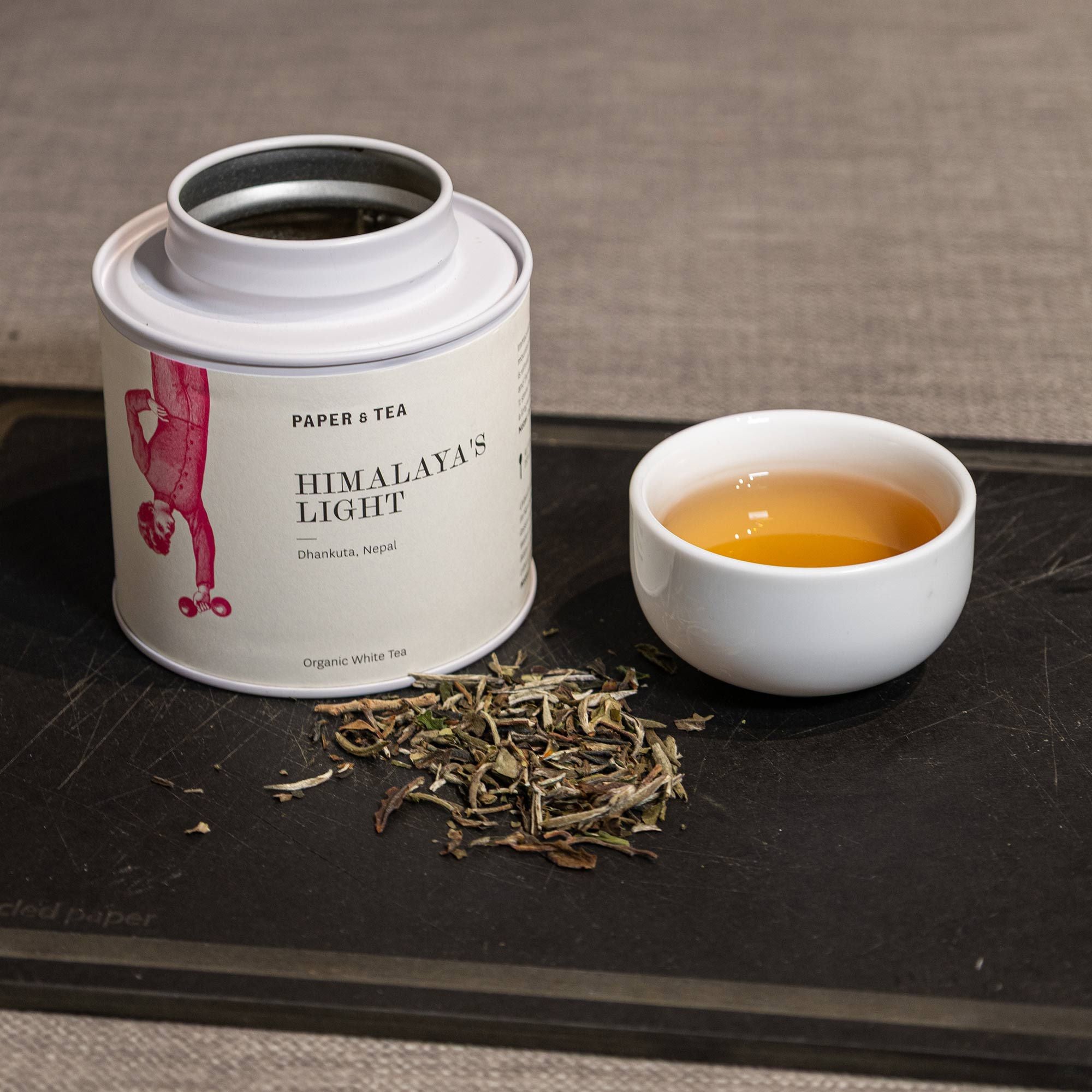
Only the youngest buds of the tea plant are used for this type of tea: white tea is the least processed tea. It is therefore selected, processed and dried with the utmost care. Minimal craftsmanship that makes a big impact. Incidentally, it is the silvery-white down on the buds that gives white tea its name. We'll show you how to find the right white tea for you, how to brew it and where it is harvested.
Buying white tea: a delicate treat
Only the youngest buds of the tea plant are used for this type of tea: white tea is the least processed tea. It is therefore selected, processed and dried with the utmost care. Minimal craftsmanship that makes a big impact. Incidentally, it is the silvery-white down on the buds that gives white tea its name. We'll show you how to find the right white tea for you, how to brew it and where it is harvested.
Behind the scenes: The white tea plant
To dispel the biggest myth about tea right away: there is no single plant for white tea. All types of tea are actually obtained from the same tea plant, Camellia Sinensis. However, some cultivars are more suitable for one type of tea than others. Basically, however, any variety can be produced from a leaf of the tea plant. The best-known cultivar for white tea is Da Bai, which translates from Chinese as ‘Big White’. The largest tea cultivation for white tea is in Fujian Province in China, but nowadays countries such as Malawi, Kenya, Sri Lanka and India also produce this delicate speciality. Other factors such as harvest time, climate and soil conditions also play a role in the taste of your cup of tea. After the tea harvest, the tea leaves are carefully processed in meticulous processes. This is where it is decided which type of tea will be produced from them. As already mentioned, white tea is the least processed tea. The minimal processing is therefore carried out carefully and accurately. The natural tea variety is laid out to wilt and dry until the delicate buds reach a slight oxidation.
Delicate and luxurious: our white tea varieties
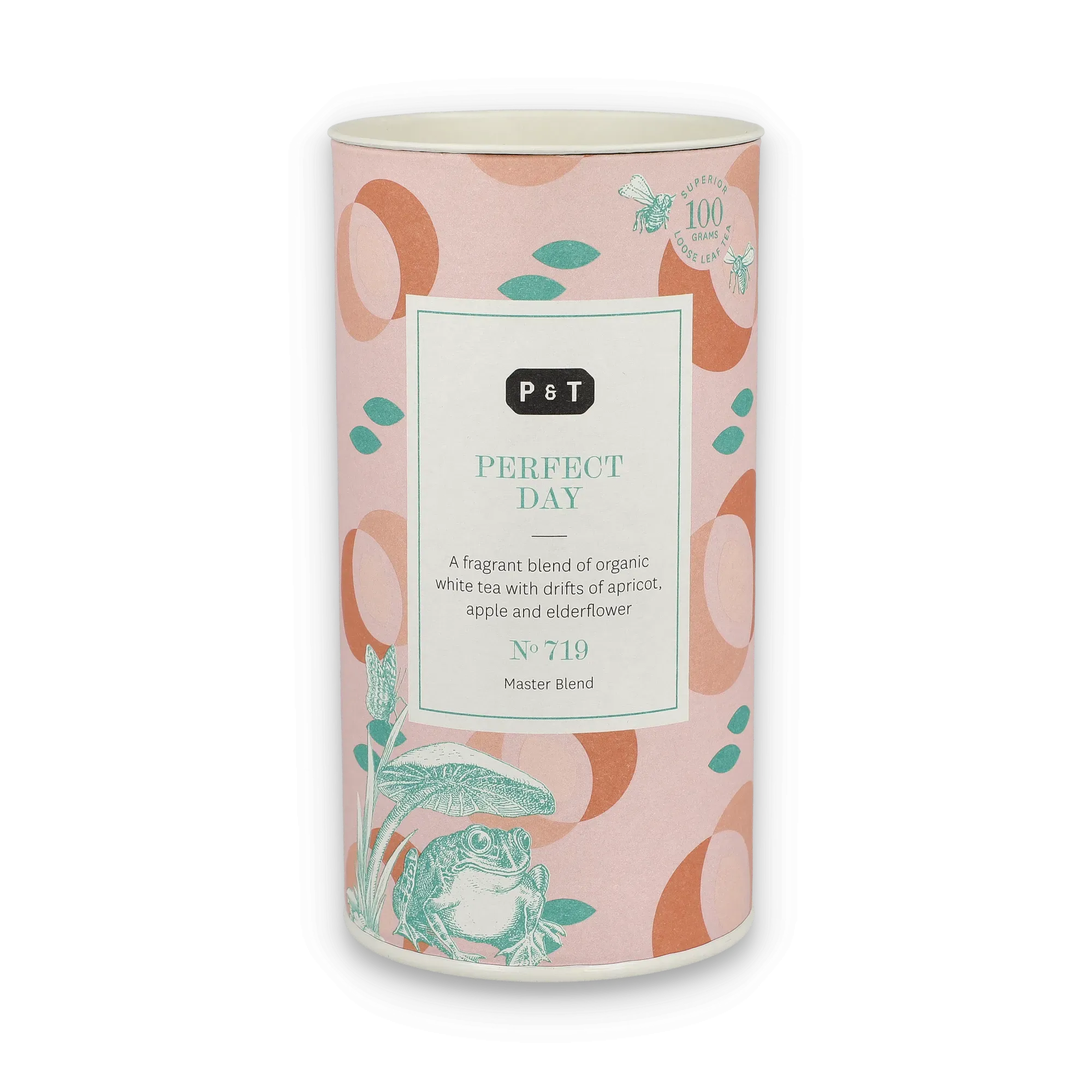
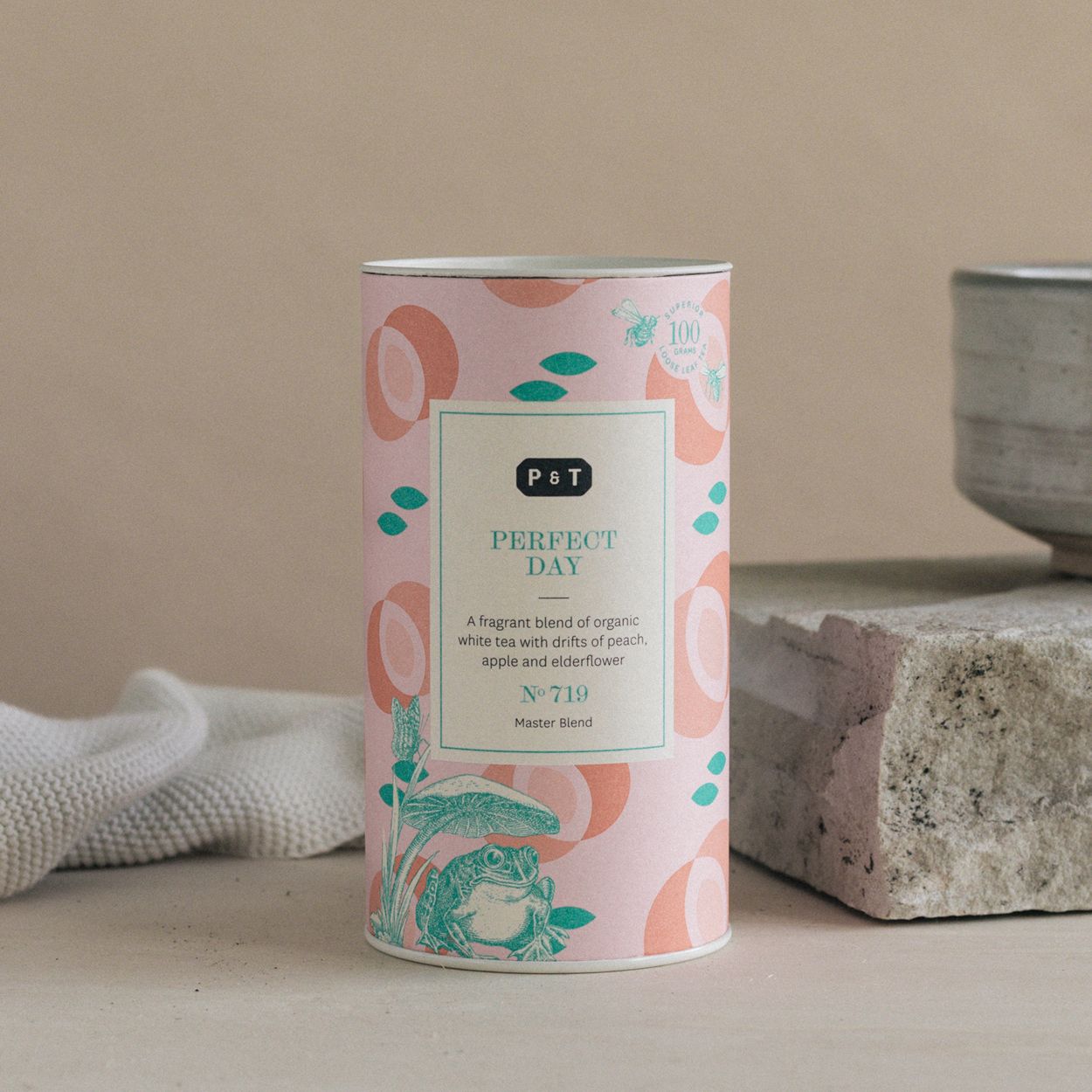
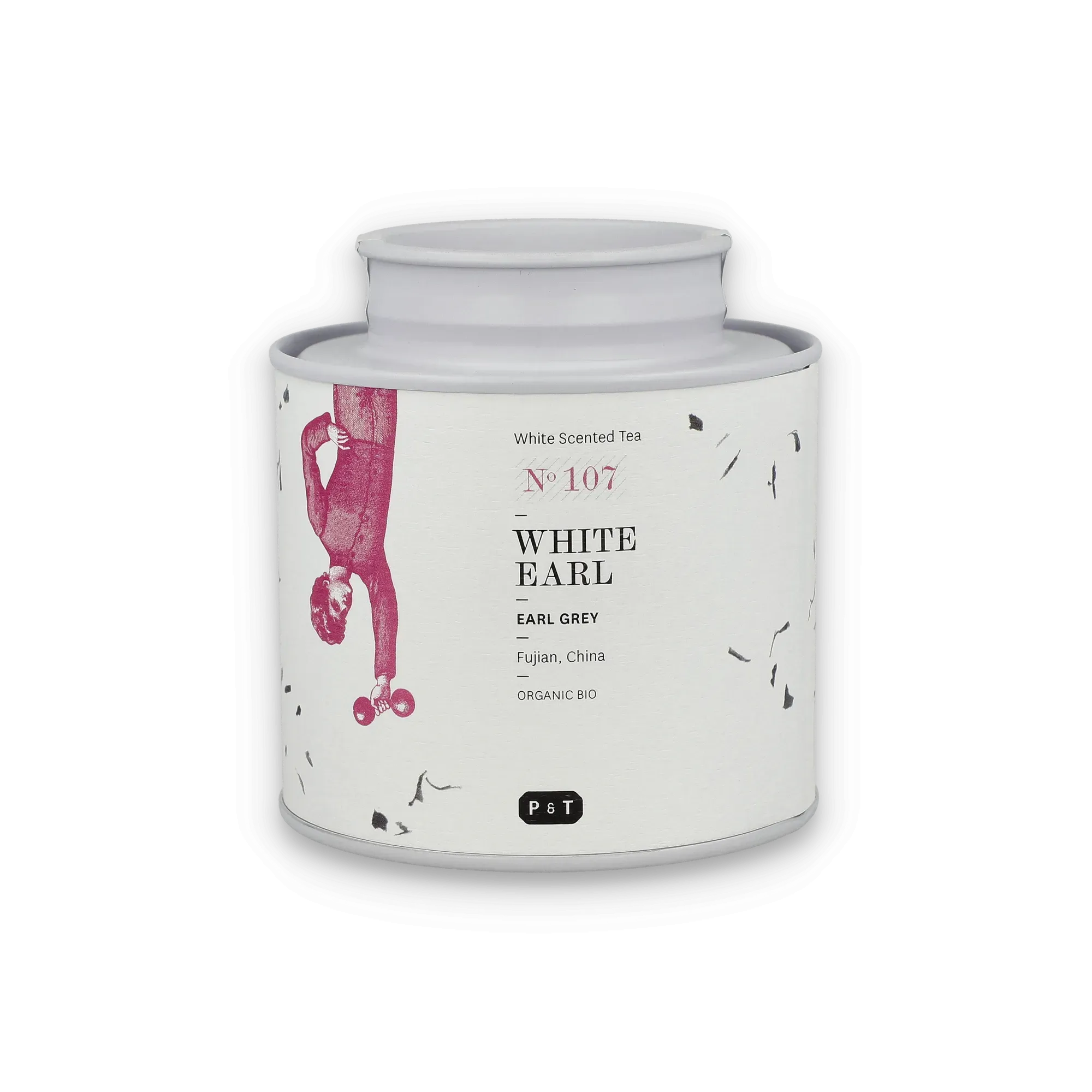
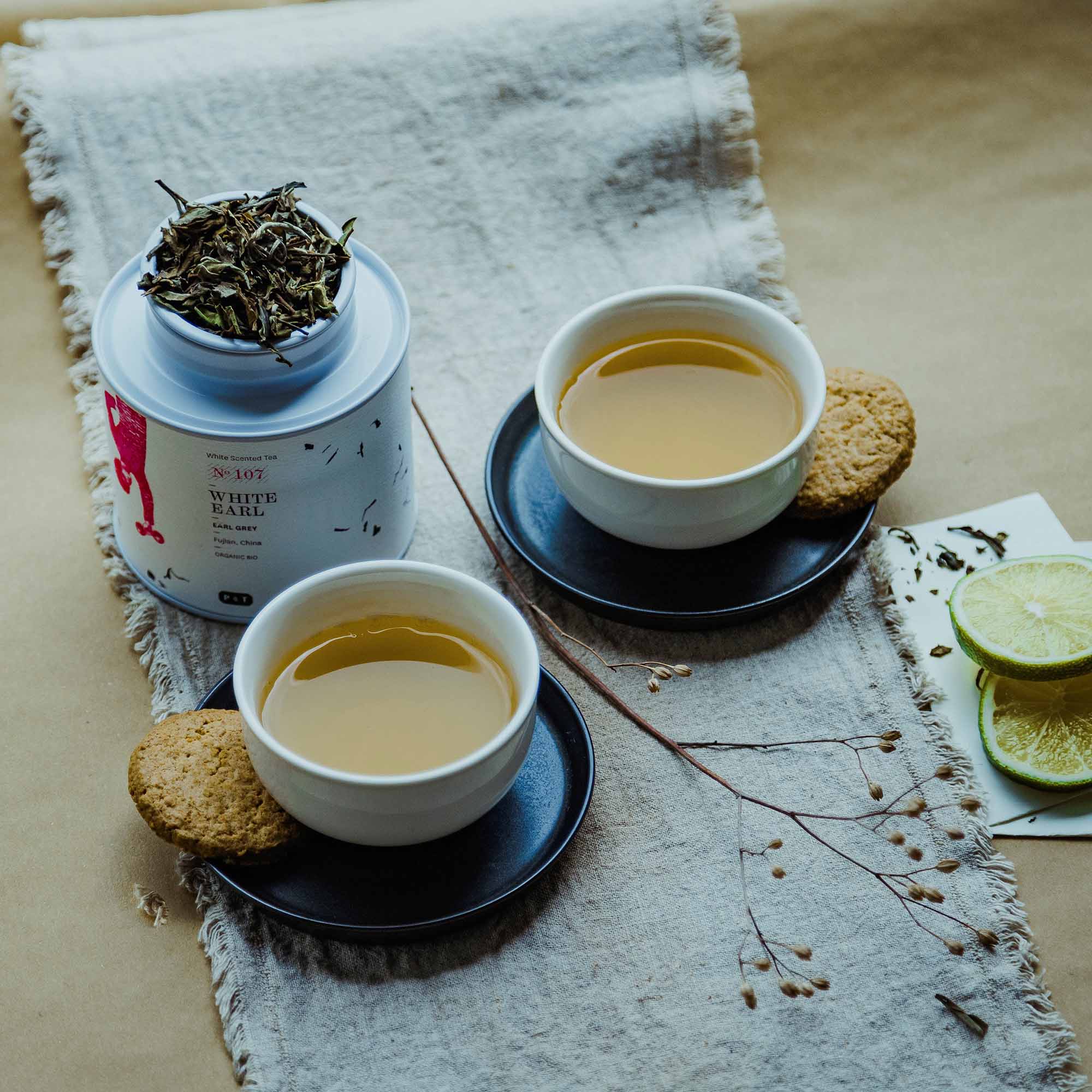
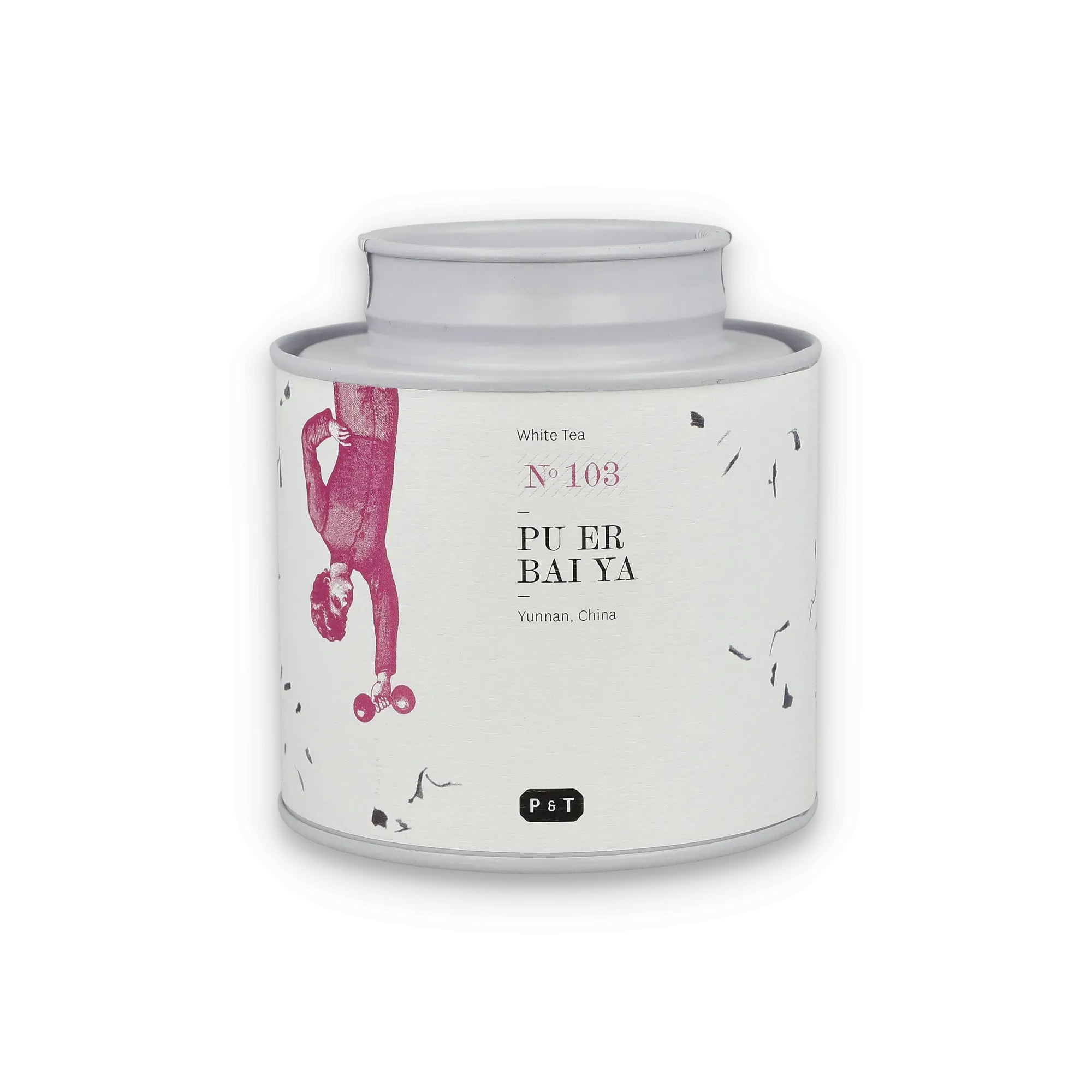
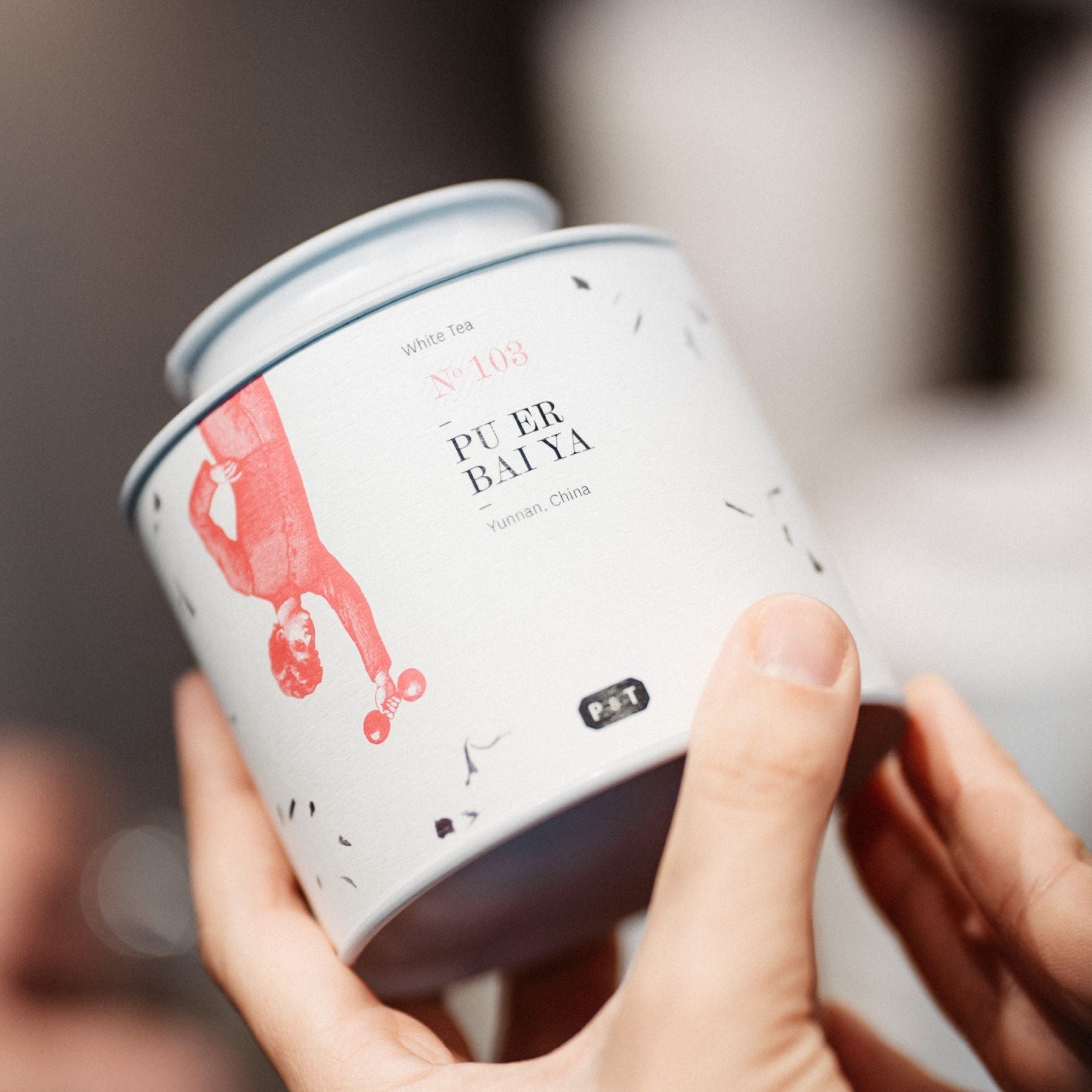
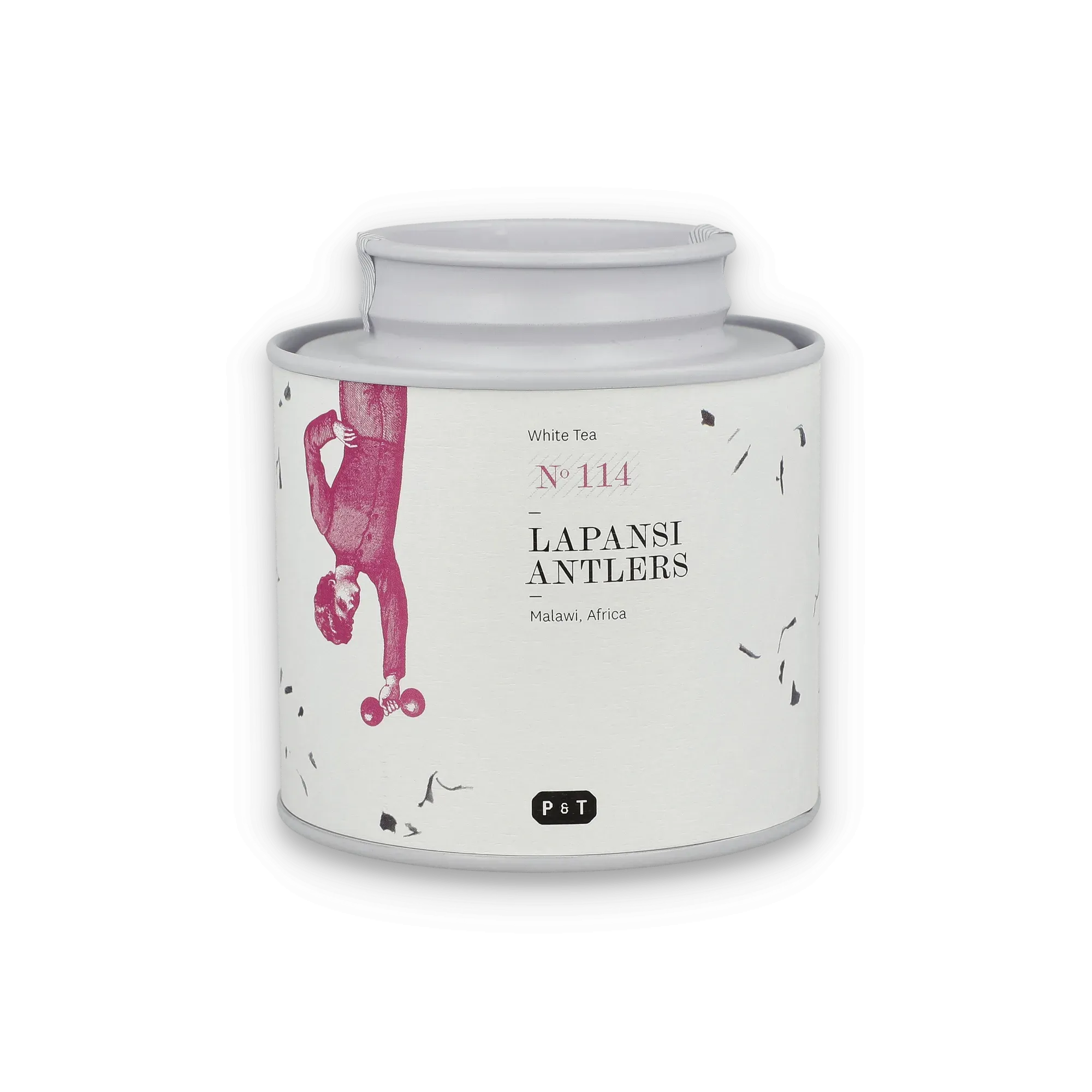
The subtly floral PU ER BAI YA tastes like a delicate promise. With a cup of this tea, you are drinking ancient Chinese tea tradition. The tea buds are harvested from wild tea trees in Yunnan, the birthplace of tea. Our WHITE EARL is a lighter version of Earl Grey: we have refined Chinese white tea with natural bergamot. The citrus aroma goes wonderfully with white tea. We have created the fruity PERFECT DAY tea blend based on white tea, a wonderful cup that smells of mango, elderflower and apple. Another classic from China is silver needle tea, which is now also cultivated by inspired tea pioneers in other regions. Our SILVER SINDANO comes from the sun-drenched slopes of Mount Kenya in Africa: an exceptional white tea with a fruity-floral character, whose complex infusion will surprise you. The unique stem tea LAPANSI ANTLERS also comes from Africa. The velvety stems of the tea plant, which resemble deer antlers and give the tea its name, are sorted by hand in one of Malawi's first tea gardens.
The art of preparation – tips for perfect tea enjoyment
To get the best flavour from your tea leaves, you can follow some of our tips to give white tea the attention, dedication and time it deserves. First of all, you should know that light teas such as green tea and white tea should not be infused with boiling water. The delicate flavours are usually brought out at around 70-80°C. Although white teas do not become bitter so quickly, you should still keep an eye on the steeping time. For white teas, we usually recommend 1 to 3 minutes. You can also find the exact instructions on every P&T product page and packaging. For perfect results, we recommend using filtered water so that you can enjoy the full aromatic variety of white tea. Let's take a look at how it is prepared in the Far East: in China, the cups are rinsed with hot water beforehand to preheat them. This helps your tea retain its heat longer, which is an important detail for teas such as white tea that are not prepared with boiling water. And why not try a second infusion? Our teas are all so rich that you can discover new layers of fascinating flavours with a second infusion.
Caffeine content: Can you drink white tea in the evening?
Once you have acquired a taste for the mild character of white tea, you will not want to be without it. Tea lovers are therefore right to ask themselves whether they can still enjoy a cup in the evening. Since white tea, like all other types of tea such as green tea, is made from the leaves of the Camellia Sinensis tea plant, it naturally contains caffeine. If you are sensitive to caffeine, it may be better to avoid drinking tea in the evening. In that case, caffeine-free herbal blends are best for you before bedtime. On the other hand, pouring yourself a steaming cup of white tea can also be a relaxing ritual. White tea can easily accompany you in those moments when the sun disappears behind the mountains and the lights of the city come on. Just try it out and see how your body and mind can best find peace.
Which is better, green tea or white tea?
Green tea enjoys great popularity worldwide because it allows you to immerse yourself in Far Eastern stories and traditions. Japanese green tea in particular has sparked a wave of enthusiasm among many tea fans. Green tea is known for its incredible variety of flavours, ranging from creamy-sweet to nutty to grassy-vegetal. White tea is just as culturally rich as green tea: with a single sip, you can enjoy ancient Chinese specialities or explore innovative white teas from new growing regions. White tea envelops you like a gentle embrace and brings a smile to your lips with its delicately sweet notes, as only the finest young tea leaf buds can do. In the end, it's all a matter of individual taste. You don't have to decide. Try your way through the multifaceted world of tea and find the perfect cup for every moment. Buying white tea: a delicate treat
Your questions about White Tea
Tea knowledge from our experts
P&T Magazine
White Tea & more