





There's a new chapter in the art of tea drinking. Did you know that Matcha isn’t the only ground tea? There are versatile varieties like Earl Grey Powder, Hibiscus Powder, Hojicha Powder, and Rooibos Powder. These can be used not only as beverages but also as creative ingredients in recipes, expanding the possibilities endlessly. Tea powder brings a fresh twist to your cup – and the preparation is a breeze! Let's explore the different types, flavors, and colors together.
From Leaf to Powder: The Making of Matcha & Co.
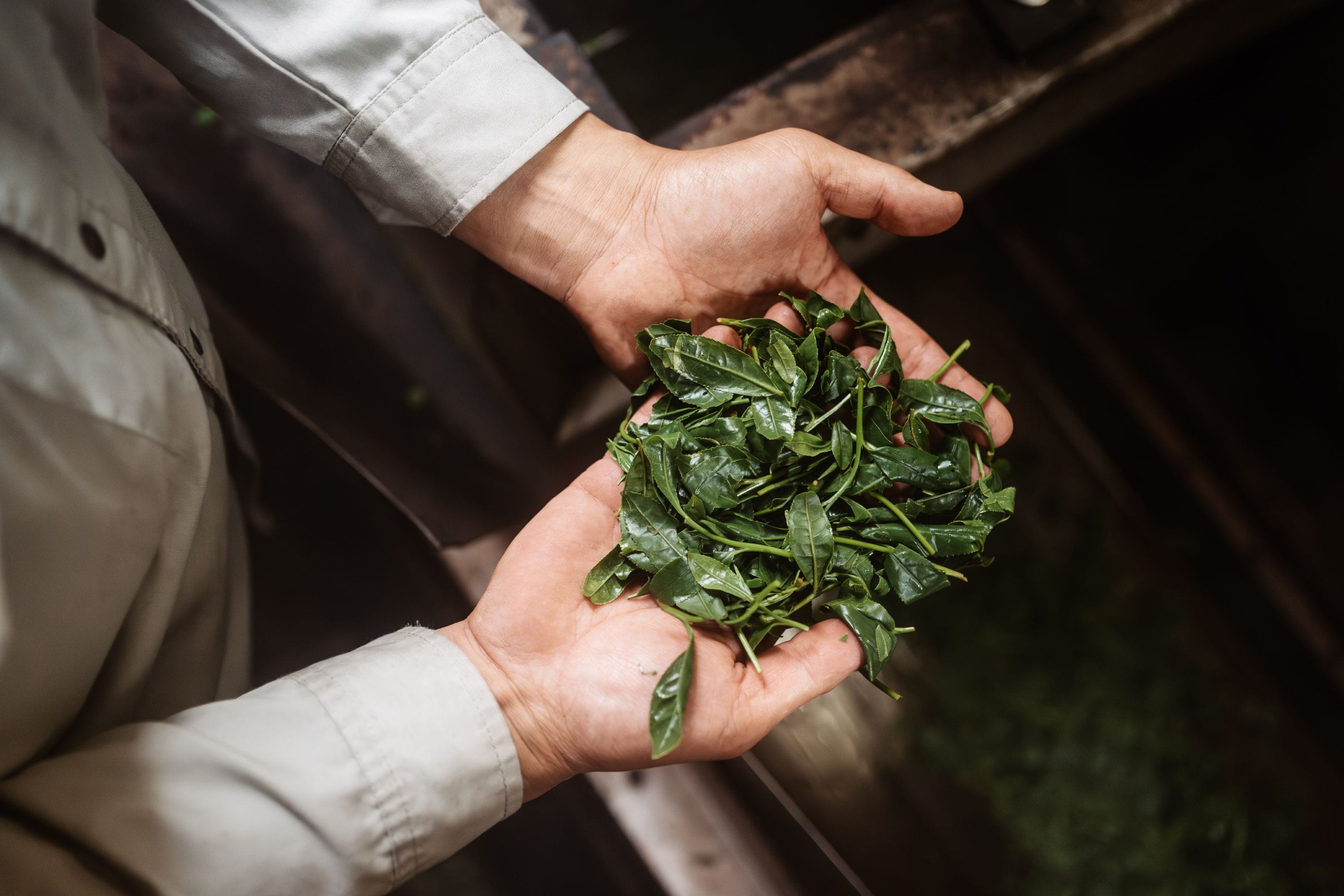
Tea powders are created by carefully grinding tea leaves, a process dating back to the "Era of Tea Powder" during China’s Song Dynasty (960-1279 AD). In the 12th century, Japanese monks adopted and refined this practice. The intricate production, where green tea leaves are painstakingly milled into fine powder on stone mills, has made Matcha a coveted drink for ceremonial occasions. The fine texture of the powder brings out the intense umami flavours, paving the way for unique creations with powdered teas.

Matcha: The Classic among Tea powders
When it comes to tea powders, Matcha is perhaps the most renowned. Originating from Japan, Matcha is prepared in traditional tea ceremonies and has gained global acclaim. Its grassy notes and high caffeine content make it an ideal morning companion. Matcha is traditionally milled using special stone mills, which produce about 30 grams in an entire hour. This painstaking craftsmanship is reflected in the price of high-quality Matcha.
Rooibos Powder: Naturally Caffeine-Free!
Is this set to be the new trend drink? In a tradition honed in Japan, popular South African Rooibos is finely ground into a powder perfect for any time of day. With creamy milk, the sweet Rooibos Latte offers a mild, naturally caffeine-free alternative to cappuccino & co. It combines the best of South Africa and Japan in your cup – a beverage for curious tea enthusiasts seeking to reduce caffeine intake.

Earl Grey Powder: The Classic Reimagined
Attention, black tea fans! Your British favourite with zesty bergamot aroma is now available in powdered form. Earl Grey Powder lends your cakes and desserts an elegant citrus note, versatile in both drinks and the kitchen. Did you know? You can also make an Earl Grey Latte without the powder. Find the recipe for the London Fog Signature Drink.
Hibiscus Powder: The Colourful Highlight
With its vibrant pink colour, Hibiscus Powder is a true eye-catcher, especially as a tea latte. Hibiscus is appreciated in tropical regions for its cooling properties. As a powder, the pink blossom imparts a tart-sweet note, transforming desserts, refreshing beverages, smoothies, and cakes into fruity experiences.
Hojicha Powder: Mild Flavours from Japan for Relaxed Afternoons
The country that has perfected the process of making tea powders, Japan offers yet another unique variety: Hojicha green tea. This special type is roasted to develop a completely new flavour profile. The roasting process imparts mild, nutty aromas that thrive in powdered form. Combined with milk, Hojicha Powder becomes a comforting warm latte – with less caffeine than regular green tea.

Effortless Preparation: From Tea Powder to Latte in a few Steps
Creating a creamy drink with tea powder is quick and straightforward. The preparation is similar to Matcha – requiring just a few ingredients and tools to brew your own tea latte. Here's how:
Step-by-Step Guide: Tea Latte for All Tea Powders
- Ingredients: You need 1-2 teaspoons of tea powder of your choice (e.g., Matcha, Rooibos, Earl Grey, Hibiscus, or Hojicha), hot water (not boiling, ideally around 70-80°C), and your favourite milk or milk alternative.
- Sift the powder: For a clump-free result, sift the tea powder into a bowl or cup.
- Whisk up: Add about 50 ml of hot water and whisk the powder vigorously with a bamboo whisk or small beater, using an M-shaped motion until a fine foam appears.
- Add milk: Froth the milk (either hot or cold) and pour it slowly over the whisked tea powder. You can add a bit of sweetener like honey or maple syrup if desired.
- Enjoy: Gently stir your drink once more and savour your homemade tea latte.

Diverse Applications: From Tea to Dessert
The uses of tea powder are as diverse as their flavours. Here are some ideas to get creative:
- As a creamy tea latte with milk (e.g., Matcha Latte or Rooibos Latte)
- Popular in smoothies, lemonades, or as an ingredient in cocktails
- As an ingredient in hot chocolate (e.g., Hojicha or Rooibos Powder)
- For baking cookies, muffins, cakes, and even bread
- Desserts such as sorbets, ice cream, pudding, or crème brûlée
- In marinades and sauces
- Salad dressings and seasonings
Fun Facts About Tea Powder
Origins and History
Tee Powder, especially Matcha, actually has its origins in China, where tea leaves were initially steamed and pressed into balls. In 1191, the Zen monk Eisai introduced green tea to Japan. Later, powdered teas emerged as Buddhist monks in the 12th century began incorporating Matcha into their monastic meditations. Today, Matcha remains at the heart of Japanese tea ceremonies.
A Firework of Colours and Aromas
The vibrant colours in the cup make tea powder intriguingly appealing. Matcha captivates with its rich green hue, while Hibiscus Powder draws attention with its bright pink. These visual delights are accompanied by complex aromas.

Curiosities and Festivals
Did you know there is an annual Matcha festival in Japan, where tea fans come together for a massive Matcha tea preparation? Remarkable dishes are showcased – all sticking to Matcha as the central ingredient!
The New Way to enjoy Tea
Beyond Matcha and Rooibos, an increasing number of tea varieties are capturing the hearts of tea lovers in powdered form. Hibiscus Powder adds a refreshing tartness to drinks, while Sakura Latte surprises with the floral aroma of cherry blossom.
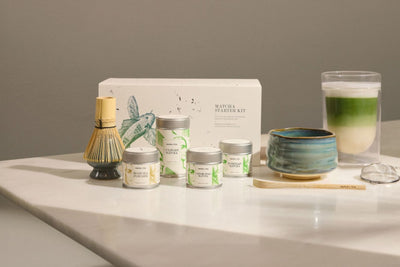
The world of tea powders is steadily growing and is certainly a trend that's here to stay. And now it's your turn: With our innovative varieties, you can try your hand at making your own tea latte. Explore all our tea powders and preparation utensils here!